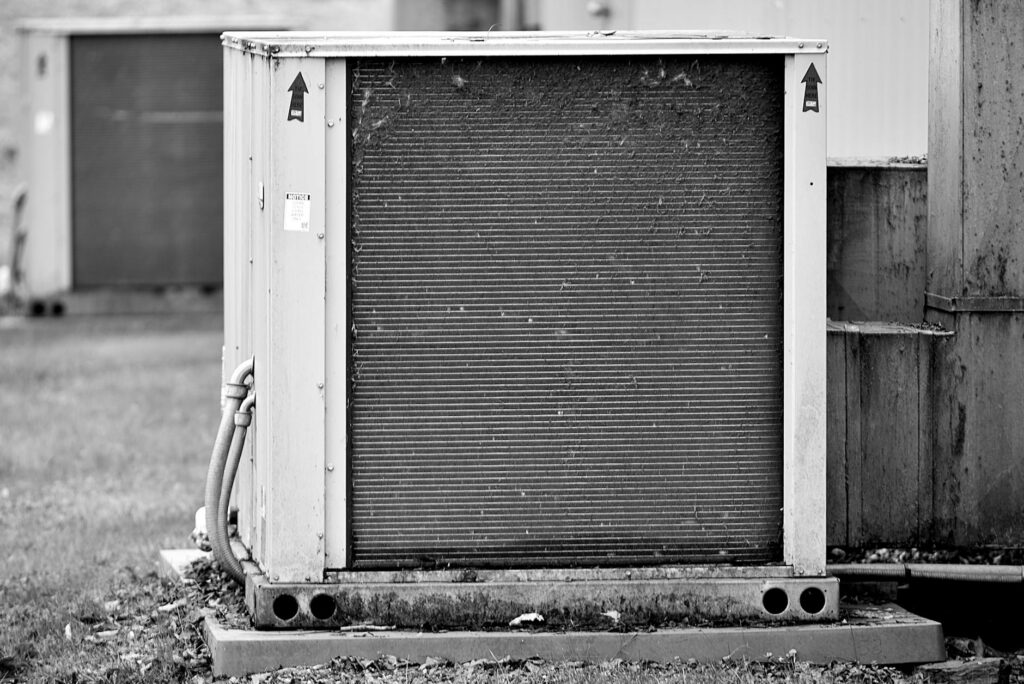
Commercial and residential HVAC systems serve fundamentally different purposes and operate under distinct requirements. While both heat and cool buildings, commercial systems handle larger spaces, higher occupancy loads, and more complex regulatory demands. Understanding these differences helps business owners and facility managers make informed decisions about system selection, maintenance, and upgrades.
Scale and Capacity Requirements
The most obvious difference between commercial and residential HVAC systems is their size and capacity. Residential systems typically serve single-family homes ranging from 1,500 to 4,000 square feet, while commercial systems manage office buildings, retail spaces, warehouses, and facilities spanning tens of thousands of square feet.
Commercial systems must handle significantly higher cooling and heating loads. They often use multiple units working in tandem, with rooftop units, split systems, or central plants distributing conditioned air through extensive ductwork. Residential systems, by contrast, usually feature a single outdoor condenser unit and indoor air handler, making installation and replacement more straightforward.
The capacity differences also affect how these systems are designed. Commercial HVAC professionals must account for variable occupancy patterns, internal heat loads from equipment and lighting, and different temperature zones within the same building. Residential systems follow more standardized sizing calculations based on square footage, climate zone, and insulation levels.
Complexity and Control Systems
Commercial HVAC systems require sophisticated control and monitoring capabilities that far exceed residential needs. Building automation systems (BAS) manage commercial units, allowing facility managers to adjust temperatures by zone, set schedules for different areas, and monitor energy consumption in real-time.
These control systems integrate with other building functions like lighting, security, and occupancy sensors. Commercial buildings often need to maintain precise temperature and humidity levels for employee comfort, product preservation, or specialized processes. Hospitals, data centers, and manufacturing facilities have even more stringent requirements, sometimes demanding redundant systems for reliability.
Residential systems typically use simple programmable thermostats that homeowners can adjust manually or through basic scheduling. While smart home technology is becoming more common in residential applications, the complexity remains minimal compared to commercial installations.
Maintenance for commercial systems is more involved. Professional technicians conduct regular inspections of multiple components, monitor system performance data, and perform preventative maintenance on strict schedules. Residential maintenance usually involves annual check-ups and filter changes, which homeowners often handle themselves.
Installation, Costs, and Lifespan
Commercial HVAC installation represents a substantial capital investment, often ranging from $50,000 to over $500,000 depending on building size and system type. The process requires extensive planning, coordination with general contractors, and compliance with building codes and industry standards. Installation timelines span weeks or months, and businesses must manage downtime carefully.
Residential HVAC installation costs between $5,000 and $15,000 for typical homes. Most residential projects complete within a few days, minimizing disruption. Homeowners can often replace a system without major structural changes.
System lifespan differs between commercial and residential applications. Commercial HVAC systems typically last 15-20 years with proper maintenance, though some components may require replacement sooner. Their heavy-duty construction and regular professional care help extend their service life. Residential systems average 10-15 years, with homeowner maintenance quality significantly affecting longevity.
Operating costs also diverge substantially. Commercial buildings consume far more energy for HVAC than residential properties, making efficiency improvements more cost-effective. A 10% efficiency gain in a commercial system can save thousands annually, whereas the same improvement in a residential system saves hundreds. This cost differential drives commercial building owners toward high-efficiency systems despite higher upfront expenses.
How to Use the HVAC Calculator
Whether you’re evaluating commercial or residential needs, properly sizing your system is critical for efficiency and comfort. Our HVAC size calculator helps you determine appropriate system capacity by accounting for square footage, climate zone, insulation levels, and occupancy patterns. Input your building specifications to receive personalized sizing recommendations that ensure your system operates optimally without oversizing or undersizing.
Frequently Asked Questions
Can you use residential HVAC equipment in a commercial building?
While technically possible in very small commercial spaces, it’s not recommended. Residential equipment lacks the durability, control capabilities, and capacity for consistent commercial operation. Building codes often require commercial-grade equipment for public-access buildings. Using residential equipment in commercial applications typically voids warranties and violates building regulations.
Why do commercial HVAC systems need more frequent maintenance?
Commercial systems operate longer hours, handle higher loads, and serve more people than residential systems. Extended operation increases wear on components, and failure impacts more occupants and business operations. Regular maintenance prevents breakdowns during critical times, maintains air quality standards, ensures regulatory compliance, and protects the significant investment in equipment and infrastructure.
What’s the average payback period for upgrading to a high-efficiency commercial HVAC system?
Most commercial HVAC upgrades to high-efficiency systems achieve payback within 5-10 years through energy savings alone, sometimes faster with utility rebates and tax incentives. The exact timeline depends on current system efficiency, local energy rates, usage patterns, and available incentive programs. Some specialized systems, like those in data centers, pay for themselves in 2-3 years due to extreme energy consumption.
- HVAC System Gauges and Diagnostic Tools — Facility managers and HVAC technicians maintaining commercial systems need professional diagnostic tools to measure pressure, temperature, and refrigerant levels across complex systems.
- Commercial HVAC Maintenance Software — Commercial HVAC systems require rigorous compliance tracking and maintenance scheduling; digital or physical logs help facility managers meet regulatory demands mentioned in the post.
- Ductwork Insulation and Sealing Materials — Commercial systems with larger ductwork and more complex configurations benefit from professional-grade insulation and sealing products to maintain efficiency in high-occupancy buildings.
Related: 7 Essential Commercial vs Residential HVAC Sizing Differences in 2026
Related: 7 Essential Differences Between Commercial and Residential HVAC Sizing in 2026
SPONSORED
Estimating Software Built for HVAC Contractors
ArcSite lets you draw site plans, create estimates, and close jobs faster — all from your phone or tablet. Used by 100,000+ field service professionals.
Try ArcSite Free →Affiliate partner — we may earn a commission at no cost to you.
SPONSORED
Need HVAC Cleaning or Home Services?
Cleanster connects homeowners with vetted cleaning and home service professionals. Book online in minutes.
Book a Service →Affiliate partner — we may earn a commission at no cost to you.