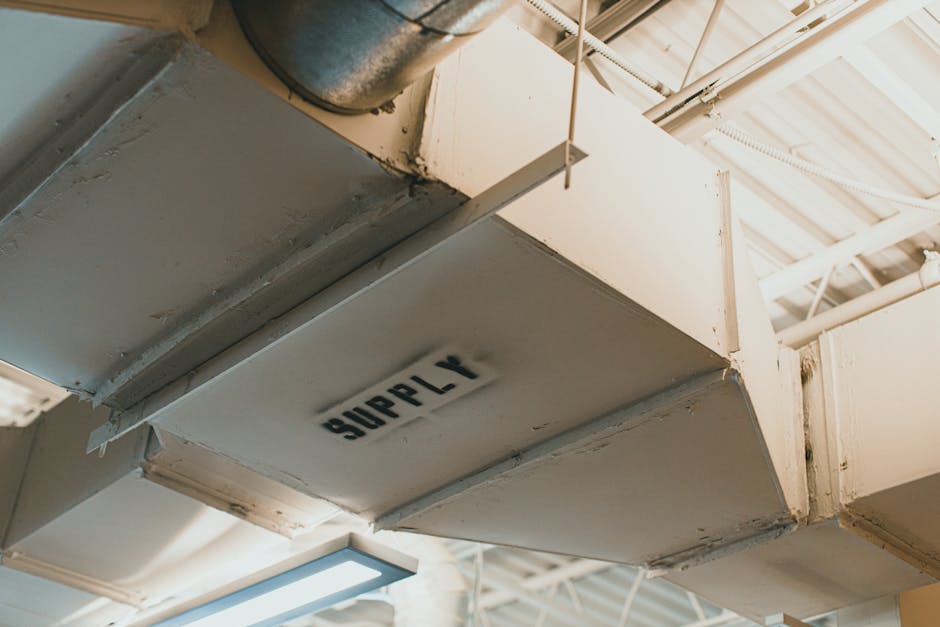
Cold Climate HVAC Sizing: 5 Essential Considerations for Extreme Winters in 2026
Cold climate HVAC sizing requires calculating higher heating loads based on outdoor design temperatures, insulation levels, and wind exposure. Systems […]
Cold climate HVAC sizing requires calculating higher heating loads based on outdoor design temperatures, insulation levels, and wind exposure. Systems […]
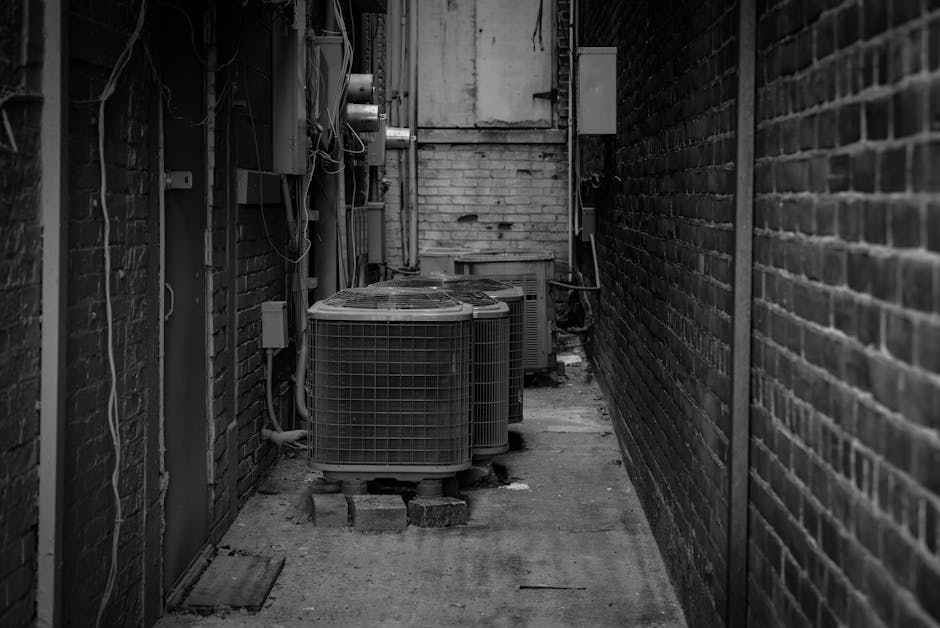
HVAC systems in humid climates must be sized to handle both cooling and dehumidification loads. Proper sizing accounts for moisture
Evaporator coil sizing matches the cooling capacity of your air handler to your outdoor condenser unit, measured in tons. Proper
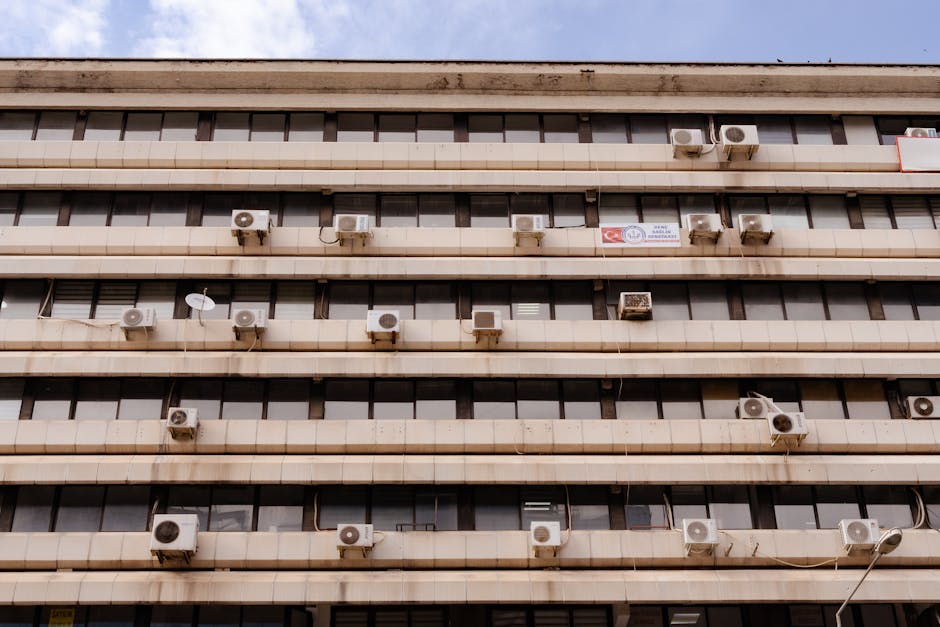
AC sizing in hot climates requires calculating cooling load based on square footage, insulation, windows, and outdoor temperature. Desert regions

Evaporator coil sizing matches the indoor unit’s cooling capacity to your outdoor condenser unit, ensuring optimal refrigerant flow and system
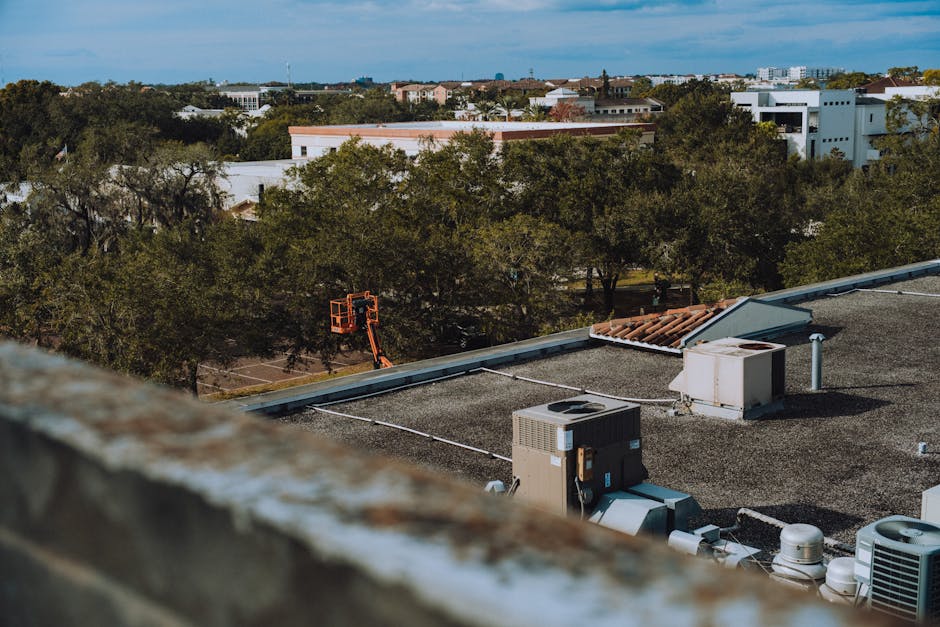
Commercial HVAC systems require larger capacity calculations based on building occupancy, heat-generating equipment, and continuous operation, while residential systems size

Evaporator coil sizing involves matching the coil’s BTU capacity to your HVAC system’s tonnage rating, condenser unit, and compressor specifications.
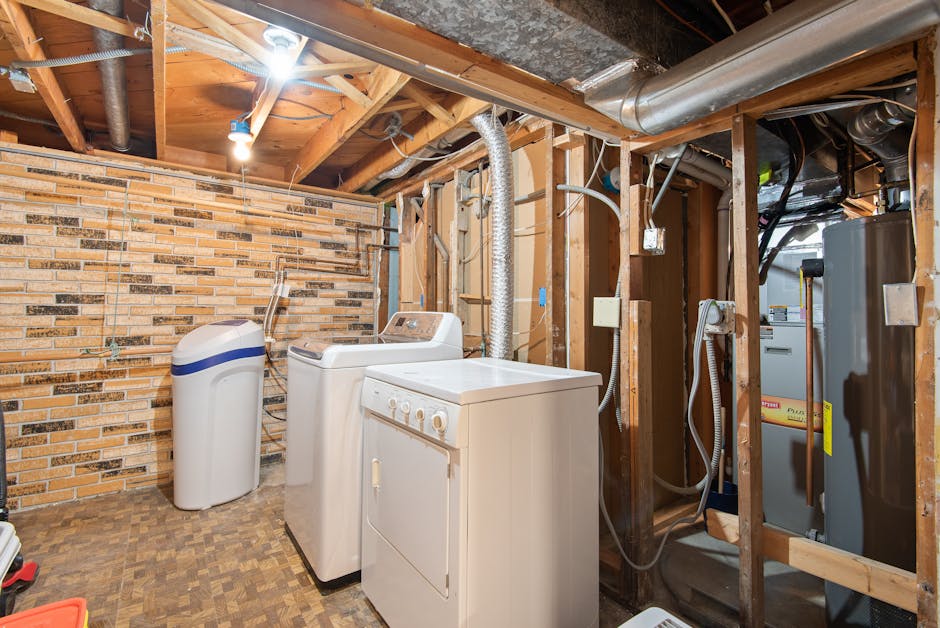
Attic and basement HVAC systems require specialized sizing due to temperature extremes, insulation differences, and unique airflow challenges. Attics need
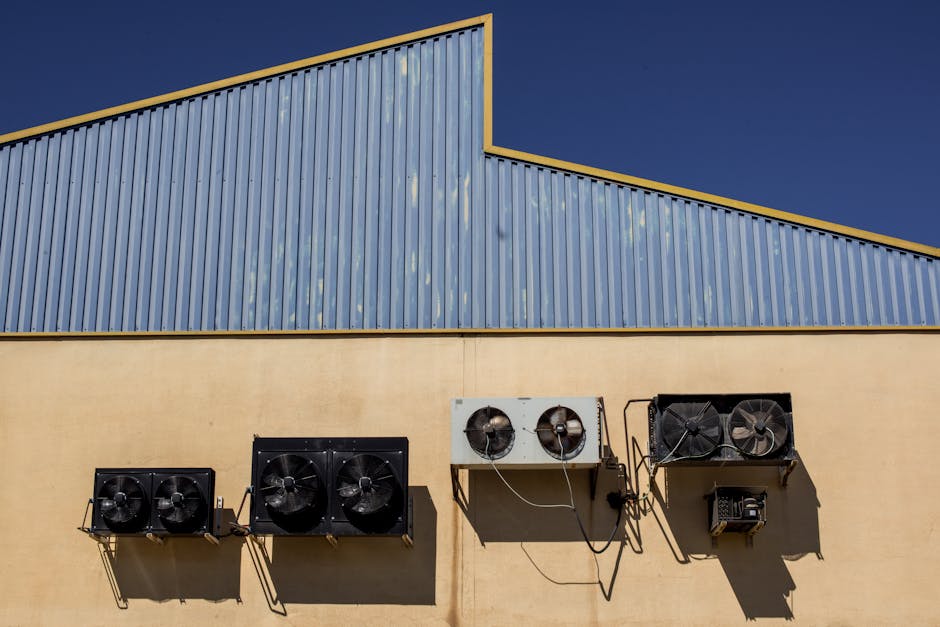
Cold climate HVAC sizing requires increasing heating capacity by 15-25% beyond standard calculations to compensate for extreme outdoor temperatures, heat
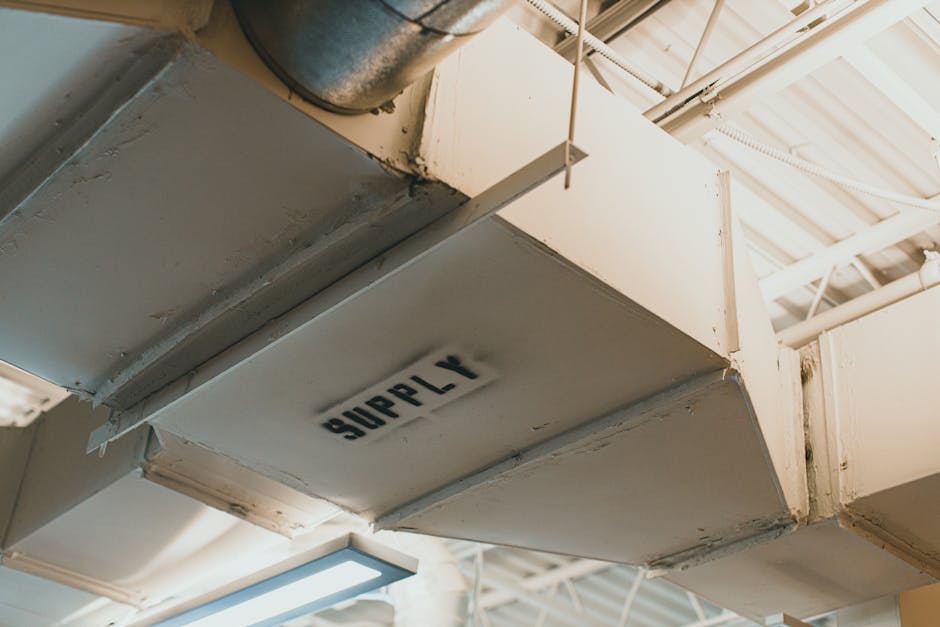
Demand-controlled ventilation (DCV) automatically adjusts HVAC airflow based on occupancy levels and indoor air quality, reducing ventilation loads during low-occupancy