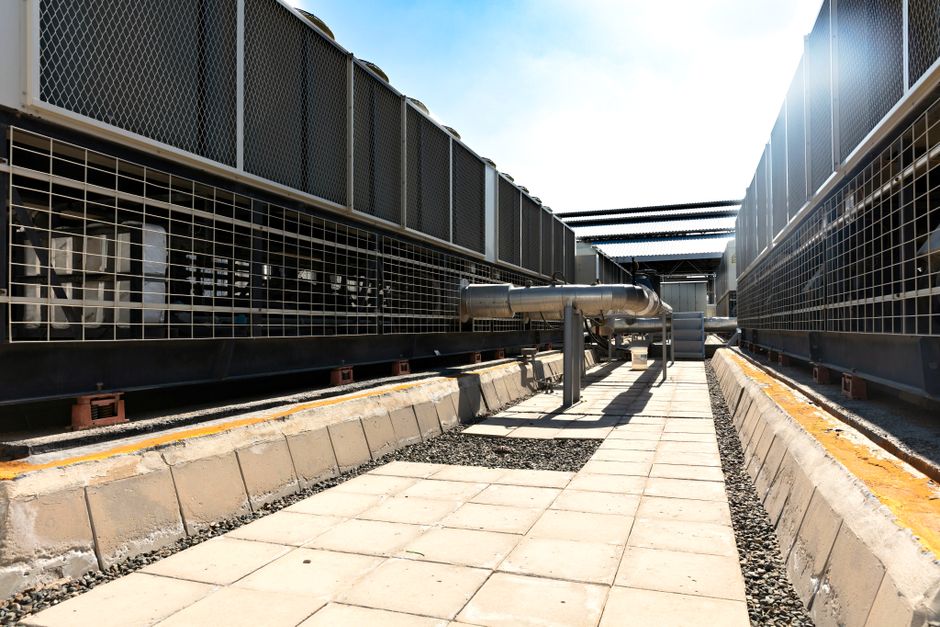
HVAC system staging refers to how a unit adjusts its output to match your home’s heating or cooling demand. Single-stage systems run at full capacity or off. Two-stage systems operate at high or low output. Variable-speed systems continuously modulate between 40–100% capacity, delivering the most precise comfort and energy efficiency of the three options. (Related: Heat Pump Sizing Calculator: How to Right-Size a Heat Pump for Maximum Energy Savings and Lower Bills) (Related: Complete Guide to VRF System Sizing and Zoning in 2026) (Related: Window AC Sizing Guide: 5 Essential Steps for 2026) (Related: How Climate Resilience Programs Impact HVAC Sizing and Cooling Demand in Urban Areas) (Related: How to Read Your AC Unit Nameplate: The Complete 2026 Guide) (Related: How to Size a Furnace for Your Home: Complete 2026 Guide)
Single-Stage vs Two-Stage vs Variable-Speed: Key Differences
Understanding how each staging type works helps you match system performance to your home’s specific climate needs and budget. Here’s a breakdown of all three:
Single-Stage Systems
Single-stage HVAC units operate in one mode: fully on or completely off. When your thermostat calls for heating or cooling, the system fires up at 100% capacity every single time. This creates noticeable temperature swings, typically between 2–4°F, as the unit overshoots the setpoint before cycling off.
These systems are the least expensive to purchase and install, making them appealing for budget-conscious homeowners. However, because they run at full blast for short bursts, they consume more energy per cycle and experience more mechanical wear over time. They’re best suited for climates with extreme but consistent temperature demands, where full-capacity output is regularly needed.
Two-Stage Systems
Two-stage units add a lower operating mode — typically around 65–70% capacity — for mild weather conditions. The system starts at the lower stage and only escalates to full capacity when outdoor temperatures push demand higher. According to the U.S. Department of Energy’s heating and cooling guidance, two-stage systems can reduce energy consumption significantly compared to single-stage equipment by avoiding unnecessary full-power operation.
The practical benefit is longer, steadier run cycles. Instead of blasting air for 10 minutes and shutting off, a two-stage system might run at low stage for 20–30 minutes. This improves humidity control, creates more even temperatures throughout your home, and reduces the short-cycling that accelerates component wear. The trade-off is a higher upfront cost — typically $300–$600 more than a comparable single-stage unit.
Variable-Speed Systems
Variable-speed systems represent the pinnacle of staging technology. Using an inverter-driven compressor or blower motor, these units can ramp output anywhere from 40% to 100% capacity in small increments — sometimes as fine as 1% adjustments. The system continuously reads indoor conditions and modulates to maintain your setpoint within ±0.5°F.
The energy savings are substantial. Variable-speed heat pumps and air conditioners frequently achieve SEER2 ratings of 20 or higher, compared to 14–16 SEER2 for most single-stage equipment. They also excel at dehumidification because longer, slower run cycles give the evaporator coil more contact time with humid indoor air. The downside is cost — variable-speed systems can run $1,500–$3,000 more than entry-level equipment — and they require qualified technicians for servicing.
Real-World Cost and Comfort Comparison
Numbers tell the clearest story when comparing staging types. The table below reflects typical performance metrics for a 3-ton residential system in a mixed-climate region:
Upfront Equipment Cost
Single-stage systems generally run $2,500–$4,000 installed for central AC. Two-stage systems typically range from $3,500–$5,500. Variable-speed systems land between $5,000–$9,000 or higher depending on brand and installation complexity. These ranges include labor and basic materials but exclude ductwork modifications.
Annual Operating Costs
Based on Department of Energy efficiency standards and average U.S. electricity rates near $0.16/kWh, a single-stage 14 SEER2 system cooling a 2,000 sq ft home may cost approximately $650–$850 annually. A comparable two-stage 18 SEER2 system drops that to $500–$650. A variable-speed 22 SEER2 unit can bring annual cooling costs down to $400–$530.
Over a 15-year system lifespan, variable-speed equipment can save $2,000–$4,500 in operating costs compared to single-stage — often offsetting the higher purchase price when combined with available utility rebates.
Comfort and Indoor Air Quality
Single-stage systems produce the most noticeable temperature swings and do the least effective job managing humidity. Two-stage systems offer a meaningful comfort upgrade. Variable-speed systems deliver the most consistent temperatures, lowest humidity levels, and the quietest operation. For homeowners with allergies or humidity-sensitive spaces like home offices or nurseries, the variable-speed advantage in air quality often justifies the cost difference alone.
How to Use Our HVAC Size Calculator
Before choosing a staging type, you need to know the correct system capacity for your home. Installing a two-stage or variable-speed system that’s oversized is a costly mistake — oversized units short-cycle even with advanced staging, wasting money and reducing comfort.
Use our HVAC tonnage calculator to determine the right system size based on your square footage, climate zone, insulation level, and window exposure. Proper sizing is the foundation of every staging decision.
Once you have your tonnage, you can compare operating expenses across staging types using our air conditioner size calculator, which factors in your local climate data and current utility rates to project realistic annual costs for each system type. Running these numbers before you talk to a contractor puts you in a much stronger negotiating position.
Frequently Asked Questions
Is a variable-speed system worth the extra cost for a small home?
In smaller homes under 1,200 square feet, the energy savings gap between two-stage and variable-speed narrows because total runtime hours are lower. Two-stage equipment often delivers the better value-to-performance ratio for compact homes, while variable-speed systems justify their premium in larger homes, humid climates, or households with occupants sensitive to air quality.
Can I upgrade from single-stage to two-stage without replacing ductwork?
In most cases, yes. If your existing ductwork was properly sized for your current system, a two-stage replacement with the same tonnage will work without modifications. However, variable-speed systems sometimes require duct upgrades because their longer, lower-velocity run cycles can expose undersized duct sections that single-stage units masked through sheer pressure. Always have your contractor perform a duct assessment before upgrading.
Do two-stage and variable-speed systems qualify for tax credits in 2026?
Many high-efficiency two-stage and variable-speed systems qualify for the federal Energy Efficient Home Improvement Credit, which allows homeowners to claim up to 30% of installation costs (capped at $600 for central AC and $2,000 for qualifying heat pumps) through the current credit structure. Eligibility depends on meeting specific efficiency thresholds, so confirm SEER2 and EER2 ratings with your contractor before purchasing.
- Smart Thermostat (Ecobee or Nest) — Smart thermostats optimize staged HVAC systems by intelligently managing when systems switch between stages, maximizing energy efficiency and comfort control that the post discusses.
- HVAC System Performance Monitor — Helps homeowners track and understand how their staged HVAC system is performing across different capacity levels, directly supporting the efficiency benefits highlighted in the guide.
- Programmable Thermostat with Stage Control — Allows users to manually control and schedule HVAC staging cycles, providing practical implementation of the two-stage and variable-speed concepts explained in the post.
See also: Tons of Cooling Calculator: Size Your AC System Right
See also: Air Handler vs Air Conditioner: The Complete 2026 Difference Guide
See also: Complete Guide to Humidity Control HVAC Dehumidifiers in 2026
Related: 7 Essential HVAC System Staging Types in 2026: Complete Comparison Guide
Related: How to Extend the Life of Your HVAC System
Related: How Long Does an HVAC System Last? Complete Lifespan Guide
SPONSORED
Estimating Software Built for HVAC Contractors
ArcSite lets you draw site plans, create estimates, and close jobs faster — all from your phone or tablet. Used by 100,000+ field service professionals.
Try ArcSite Free →Affiliate partner — we may earn a commission at no cost to you.
SPONSORED
Need HVAC Cleaning or Home Services?
Cleanster connects homeowners with vetted cleaning and home service professionals. Book online in minutes.
Book a Service →Affiliate partner — we may earn a commission at no cost to you.