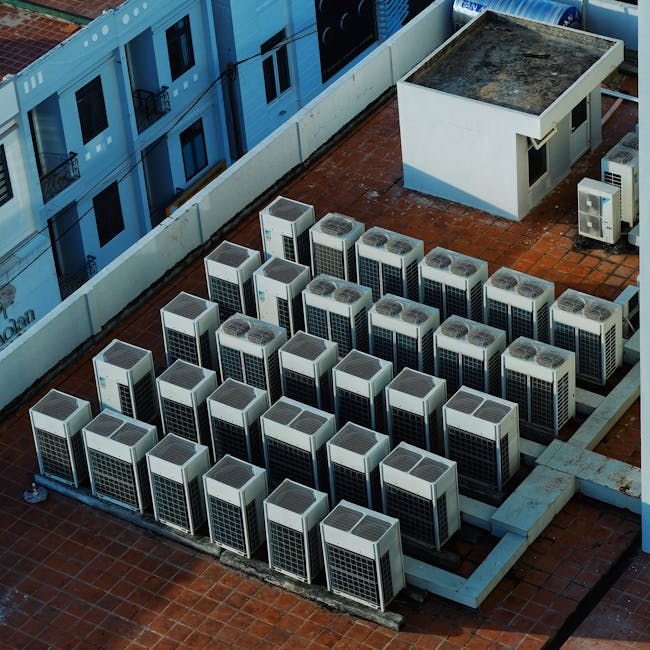
HVAC system staging refers to how a heating or cooling system adjusts its output. Single-stage runs at full capacity, two-stage operates at high or low levels, and variable-speed systems modulate continuously for optimal efficiency and comfort control.
What is HVAC System Staging?
HVAC system staging is the method your heating and cooling equipment uses to manage capacity and meet your home’s comfort needs. Think of it like the gears in a car—different systems have different numbers of “gears” to work with.
The staging type directly impacts your energy bills, comfort consistency, and equipment lifespan. Understanding the differences helps you make an informed decision when replacing or upgrading your system. Most homes use one of three primary staging configurations, each with distinct advantages and trade-offs.
Single-Stage HVAC Systems Explained
Single-stage systems operate like a light switch—they’re either fully on or fully off. When your thermostat calls for heating or cooling, the system runs at 100% capacity until the setpoint temperature is reached, then shuts down completely.
How single-stage systems work:
- Compressor runs at maximum output when activated
- No partial capacity operation available
- System cycles on and off repeatedly throughout the day
- More common in older homes and budget installations
Advantages: Single-stage systems are the most affordable upfront and have simpler mechanics, making repairs generally less expensive. They work reliably in most climates and require minimal maintenance.
Disadvantages: These systems create temperature swings as they cycle on and off, waste energy during startup cycles, and don’t adapt to mild weather. Humidity control is less precise, and energy efficiency lags behind modern alternatives. According to the U.S. Department of Energy, oversized single-stage systems waste considerable energy through unnecessary cycling.
Two-Stage HVAC Systems: Benefits and Drawbacks
Two-stage systems offer a middle ground between single-stage simplicity and variable-speed sophistication. These systems operate at two distinct capacity levels: typically 67% and 100% of maximum output.
How two-stage systems work:
- Low stage activates first for mild weather conditions
- High stage engages when low stage can’t meet demand
- Reduced cycling compared to single-stage equipment
- Gradual temperature adjustments improve comfort
Two-stage air conditioning benefits include:
- 15-20% better efficiency than single-stage systems
- Improved temperature consistency and reduced drafts
- Lower energy costs, especially during mild seasons
- Extended equipment lifespan due to less frequent cycling
- Better humidity management in cooling mode
- Moderate price increase over single-stage options
Drawbacks: Two-stage systems cost more than single-stage but less than variable-speed alternatives. They don’t continuously adjust like modulating systems, so minor efficiency gains are possible. Installation may require upgraded thermostats and controls.
Variable-Speed HVAC Systems: How They Work
Variable-speed systems, also called modulating HVAC systems, continuously adjust compressor speed from minimum to maximum output. Instead of discrete stages, they offer infinite capacity levels between their low and high extremes.
How variable-speed systems work:
- Inverter-driven compressor adjusts speed continuously
- System matches capacity precisely to current demand
- Minimal cycling and gradual temperature adjustments
- Advanced sensors monitor home conditions in real time
- Electronic controls optimize efficiency automatically
Efficiency advantages: Variable-speed compressor efficiency is significantly superior because the system rarely runs at full capacity. Most homes need maximum output only during extreme weather. By running at 30-60% capacity most of the time, variable-speed systems consume far less energy than single-stage or two-stage alternatives.
Additional benefits: Superior comfort from minimal temperature fluctuation, exceptional humidity control, quieter operation at lower speeds, and potential ENERGY STAR certification advantages. Many utility companies offer rebates for variable-speed installations.
Single-Stage vs Two-Stage vs Variable-Speed Comparison
What is the difference between single-stage and two-stage HVAC systems?
Single-stage systems run at full power or off—no middle ground. Two-stage systems operate at two capacity levels, allowing them to run at partial output during mild weather. Two-stage systems reduce energy waste by avoiding unnecessary full-capacity operation, resulting in 15-20% better efficiency and more consistent comfort.
Single-stage systems are cheaper upfront but generate higher utility bills and more temperature swings. Two-stage systems represent a cost-effective upgrade for homes seeking better comfort and efficiency without the highest price tag.
Is a variable-speed HVAC system worth the extra cost?
Variable-speed systems cost 20-30% more than single-stage options but deliver 20-40% better energy efficiency depending on your climate. The payback period typically ranges from 5-8 years through energy savings alone, after which you enjoy continued cost reduction.
Variable-speed systems excel in variable climates where temperatures fluctuate significantly. If you value superior comfort, quieter operation, and lower environmental impact, the investment justifies itself. However, in consistently hot or cold climates with predictable seasonal patterns, a quality two-stage system may provide better value.
Energy Efficiency and Cost Considerations
Your staging choice dramatically impacts both operating costs and environmental footprint. Here’s what to expect:
Annual energy costs (approximate, 2,000 sq ft home):
- Single-stage: $1,200-1,500
- Two-stage: $1,000-1,250
- Variable-speed: $800-1,100
These estimates assume average climate conditions and typical usage. Your actual costs depend on local utility rates, home insulation, thermostat programming, and seasonal weather patterns.
Equipment costs: Single-stage systems cost $3,500-5,500 installed. Two-stage systems range from $4,500-7,500. Variable-speed systems cost $6,000-9,500 installed. These prices vary by region, equipment brand, and installation complexity.
Consider the total cost of ownership, not just the purchase price. A variable-speed system that costs $3,000 more upfront but saves $300 annually pays for itself in 10 years while providing superior comfort throughout its 15-20 year lifespan.
How to Choose the Right System for Your Home
Start by calculating your home’s cooling and heating load requirements. Our HVAC load calculator helps you determine the right capacity for your specific home dimensions and climate zone.
Next, evaluate your climate patterns. Variable-speed systems shine in moderate climates with significant seasonal variation. Two-stage systems work well in most climates. Single-stage systems suit consistently hot or cold regions but offer limited comfort and efficiency.
Related: HVAC system staging types guide
Related: window vs central air cost comparison
Related: variable speed HVAC systems
Related: identify airflow problems
Related: AC not cooling troubleshooting
Related: reading HVAC smart meter energy use
Related: MERV filter ratings guide
Related: signs of wrong HVAC sizing
Related: Manual J load calculation explained
Related: gas vs electric heating comparison
Consider your budget timeline. If maximum upfront savings matter most, choose two-stage. If you plan to stay in your home 10+ years and value comfort, variable-speed delivers better long-term value. Budget-conscious buyers in moderate climates should
- Honeywell Home Smart Thermostat with Voice Control — Smart thermostats optimize multi-stage HVAC systems by intelligently controlling staging levels based on temperature needs, directly improving the efficiency benefits discussed in the guide
- HVAC System Maintenance Kit (filters, gauges, tools) — Proper maintenance of staging systems ensures they operate at peak efficiency; homeowners need quality tools and filters to maintain their systems as recommended
- Digital Programmable Thermostat for Two-Stage Systems — Essential control device for managing two-stage and variable-speed HVAC systems, allowing users to fully leverage the staging capabilities explained in the comparison
See also: Complete Guide to HVAC Load Calculation: Why It Matters and How to Get It Right
See also: How to Troubleshoot a Furnace That Won’t Turn On
See also: Air Purifier vs HVAC Filter: Do You Need Both?
See also: How to Clean Your AC Condenser Coils Step by Step
See also: HVAC Maintenance Schedule: What to Do Every Season
See also: AC Not Cooling? 7 Common Causes and Fixes
Related: The Complete Guide to Heat Pump vs Furnace Heating in 2026
Related: 7 Proven Benefits of Two-Stage Cooling in 2026: Complete Home Guide
Related: 7 Essential Refrigerant Types Every Homeowner Should Know in 2026
Related: HVAC Repair vs Replacement Cost: The Complete 2026 Guide
Related: How Long Does an HVAC System Last? Complete Lifespan Guide
Related: Complete HVAC System Commissioning Guide: 7 Steps in 2026
Related: Complete Guide to HVAC Staging: 3 System Types in 2026
Related: 5 Essential Signs Your HVAC System Is Undersized in 2026
SPONSORED
Estimating Software Built for HVAC Contractors
ArcSite lets you draw site plans, create estimates, and close jobs faster — all from your phone or tablet. Used by 100,000+ field service professionals.
Try ArcSite Free →Affiliate partner — we may earn a commission at no cost to you.
SPONSORED
Need HVAC Cleaning or Home Services?
Cleanster connects homeowners with vetted cleaning and home service professionals. Book online in minutes.
Book a Service →Affiliate partner — we may earn a commission at no cost to you.