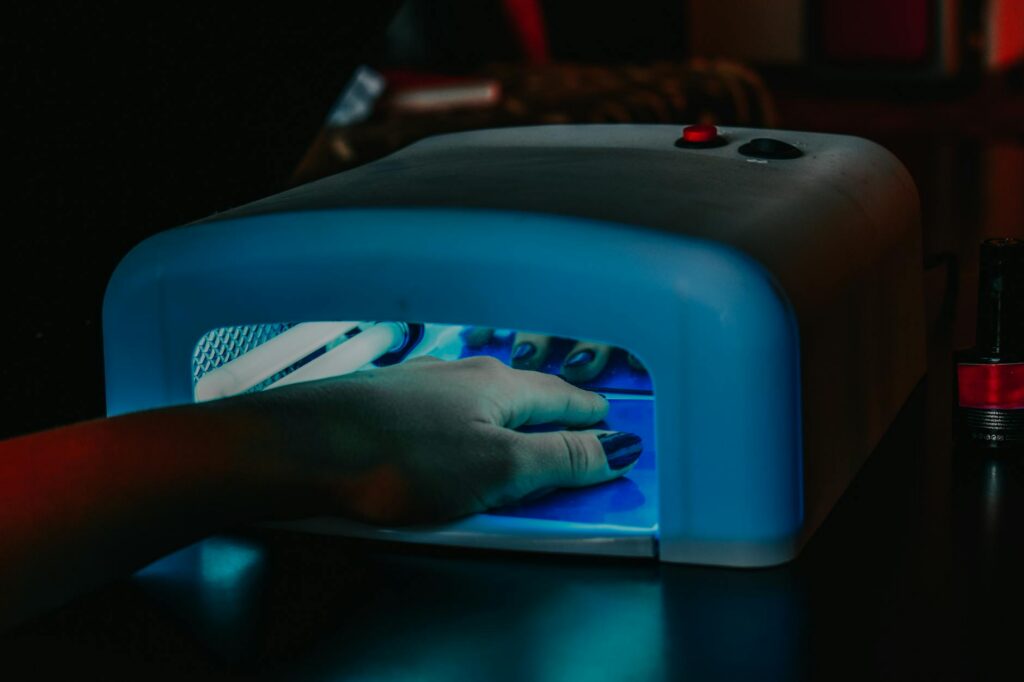
UV lights in HVAC systems are powerful air purification tools that use ultraviolet radiation to eliminate bacteria, viruses, and mold spores circulating through your home. When installed in your ductwork or near the evaporator coil, they work continuously to neutralize harmful pathogens before conditioned air reaches your living spaces. This technology has become increasingly popular among homeowners seeking better indoor air quality without adding chemical treatments to their homes.
Understanding UV Technology in HVAC Systems
UV light purification works by damaging the DNA structure of microorganisms, preventing them from reproducing and causing illness. There are two main types of UV technology used in HVAC systems: UVC and UVA light.
UVC Light: The Primary Air Purifier
UVC light operates at a wavelength of 254 nanometers and is the most effective for air purification purposes. According to research from the Journal of Environmental Health, UVC light can eliminate between 90-99% of airborne pathogens including influenza virus, coronavirus particles, and mold spores when properly installed in HVAC systems. Your coil and ductwork naturally harbor moisture where bacteria and mold thrive, making these ideal locations for UV lamp installation.
UVA Light: Coil Surface Cleaning
UVA light operates at a longer wavelength (365 nanometers) and is typically installed near the evaporator coil. It prevents biofilm buildup on coil surfaces, which improves heat transfer efficiency and reduces the growth of odor-causing bacteria. This application keeps your system cleaner and helps maintain peak performance throughout its lifespan.
The Air Quality Benefits You’ll Experience
Installing UV lights in your HVAC system delivers multiple air quality improvements that directly impact your home’s healthiness.
Reduced Respiratory Issues
Homeowners with asthma, allergies, and chronic obstructive pulmonary disease (COPD) often see improvement after UV light installation. By eliminating airborne mold spores and bacteria, UV systems reduce the triggers that cause respiratory symptoms. The American Academy of Allergy, Asthma & Immunology recognizes UV purification as a legitimate supplementary tool for managing indoor air quality.
Elimination of Odors and Mold Growth
Musty smells in your home often indicate mold or bacterial growth in your HVAC system. UV lights prevent these organisms from colonizing your coils and ducts. Within weeks of installation, many homeowners report that stale or unpleasant odors disappear completely. This benefit extends the life of your equipment because mold and biofilm accumulation increases energy consumption and reduces efficiency.
Protection Against Viral Transmission
During cold and flu seasons, UV technology provides an extra layer of defense by neutralizing viral particles as they pass through your HVAC system. While UV lights shouldn’t replace traditional hygiene practices, they complement your overall health strategy by reducing the concentration of airborne viruses in shared spaces.
Installation and Performance Considerations
UV light systems for HVAC applications are straightforward to install, and most units integrate seamlessly with existing heating and cooling equipment. Installation typically involves mounting the UV lamp near your evaporator coil or within your ductwork, depending on your system’s configuration.
Power Requirements and Operation
Most residential UV HVAC systems draw minimal power—typically between 10-30 watts—and operate continuously whenever your system runs. Some homeowners choose systems with 24/7 operation capability, which provides added protection even when heating or cooling isn’t active. The lamps last between 9,000-14,000 hours before requiring replacement, translating to approximately 1-2 years of continuous use.
Cost-Effectiveness
Initial installation costs range from $600-$1,200 depending on the system type and your HVAC setup. Replacement lamps cost $50-$150 each. When you calculate the health benefits, reduced illness episodes, and improved HVAC efficiency, many homeowners find the investment worthwhile. Additionally, some insurance companies offer discounts on home health policies when UV air purification is installed.
How to Use the HVAC System Calculator
Before upgrading your system with UV lights, you need to understand your current HVAC specifications and capacity. Our HVAC system calculator helps you determine your home’s cooling and heating requirements based on square footage, climate zone, and insulation quality. Knowing your system’s specifications ensures you select UV equipment appropriately sized for your ductwork and coil dimensions. This planning step prevents undersizing that would reduce air quality benefits or oversizing that wastes energy and money.
Frequently Asked Questions About UV Lights in HVAC Systems
Is UV light safe for my family?
Yes, UV light systems are completely safe for occupants when installed correctly. The UV lamps are sealed within your ductwork and equipment—they don’t emit radiation into your living spaces. The light is contained within the system’s housing, so family members have no exposure to UV radiation. Professional HVAC technicians follow safety protocols during installation to ensure all connections are properly sealed.
Will UV lights eliminate the need for air filters?
No, UV lights work best in combination with traditional air filters, not as a replacement. While UV systems eliminate microorganisms, mechanical filters capture dust, pollen, pet dander, and particulate matter. Using both technologies together creates comprehensive air quality protection. A MERV 13 filter combined with UV light provides superior purification compared to either technology alone.
How long does it take to notice improvements in air quality?
Most homeowners notice reduced odors and improved freshness within 1-2 weeks of installation. Respiratory improvements for allergy and asthma sufferers typically appear within 2-4 weeks as the system operates continuously and pathogens are eliminated during successive HVAC cycles. Full benefits are realized once the UV lamps establish a sustained sterilization environment throughout your ductwork and coil systems.
UV light technology represents a smart investment in your home’s indoor air quality and your family’s long-term health. By combining UV purification with proper filtration and regular HVAC maintenance, you create an optimal environment that supports respiratory health and system efficiency for years to come.
Related: UV lights improve air quality
Related: geothermal heat pump sizing and costs
- UV Light HVAC Air Purifier System — Directly complements the blog post’s focus on UV lights for HVAC systems; customers interested in the topic will want to purchase UV purification units for their own systems
- HVAC Ductwork Sanitizer Brush & Cleaning Kit — Natural complementary product for UV light installation; readers implementing air quality improvements will need cleaning tools to prepare ducts before installation
- Indoor Air Quality Monitor with Mold/Bacteria Detection — Helps readers measure the effectiveness of their UV light installation; appeals to health-conscious homeowners wanting to verify pathogen elimination
Related: How UV Lights Work in HVAC Systems
Related: UV Lights in HVAC Systems: Improve Air Quality
SPONSORED
Estimating Software Built for HVAC Contractors
ArcSite lets you draw site plans, create estimates, and close jobs faster — all from your phone or tablet. Used by 100,000+ field service professionals.
Try ArcSite Free →Affiliate partner — we may earn a commission at no cost to you.
SPONSORED
Need HVAC Cleaning or Home Services?
Cleanster connects homeowners with vetted cleaning and home service professionals. Book online in minutes.
Book a Service →Affiliate partner — we may earn a commission at no cost to you.