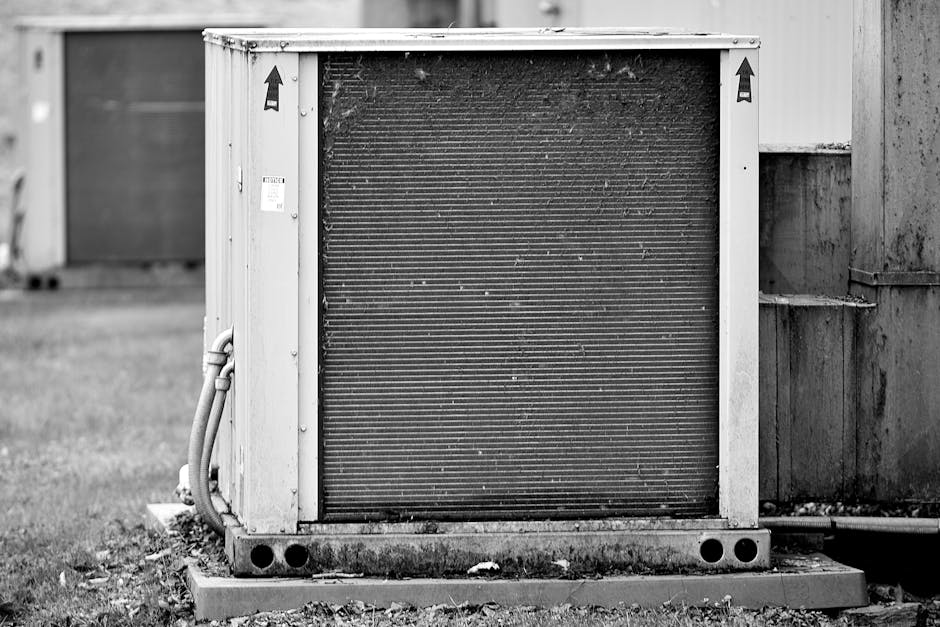
An undersized HVAC system cannot adequately heat or cool your home, leading to insufficient temperature control, higher energy bills, reduced lifespan of equipment, and potential comfort issues. Proper sizing based on square footage and climate ensures optimal performance.
What Does an Undersized HVAC System Mean?
An undersized HVAC system refers to heating and cooling equipment that lacks sufficient capacity to meet your home’s climate control demands. HVAC system sizing is measured in BTUs (British Thermal Units) per hour—the amount of heat energy the system can move in 60 minutes.
When your system’s BTU capacity falls short of your home’s actual requirements, it runs continuously trying to reach your desired temperature but never quite gets there. This isn’t a minor inconvenience; it’s a fundamental mismatch between equipment capacity and real-world needs.
Proper HVAC capacity requirements depend on several factors: your home’s square footage, insulation quality, window types, climate zone, and local humidity levels. A 1,500-square-foot home in Arizona needs different cooling capacity than the same-sized home in Minnesota. That’s why generic sizing rules don’t work—your specific situation matters.
Consequences of Installing an Undersized HVAC System
What happens if your HVAC system is too small?
The consequences of undersized AC units cascade through multiple areas of your home comfort and finances:
Temperature Inconsistency: Your system runs constantly but struggles to maintain your setpoint. Upstairs might be 72°F while downstairs stays at 78°F. In winter, you get drafty zones and cold spots that no amount of thermostat adjustment fixes.
Elevated Energy Bills: An undersized system works harder and longer than necessary, consuming more electricity monthly. According to ENERGY.GOV’s heating and cooling guidance, properly sized systems operate more efficiently because they run appropriate cycles rather than continuous operation. An undersized unit might run 16+ hours daily instead of 8-10 hours for a properly sized system.
Accelerated Equipment Wear: Continuous operation without rest periods breaks down compressors, fans, and electrical components faster. Parts that should last 15 years may fail in 8-10 years because they never get adequate downtime.
Reduced Dehumidification: Air conditioning removes moisture from your home. When your system runs constantly without cycling off, it doesn’t adequately dehumidify. You might have 60% humidity even with the AC running, creating mold risks and musty odors.
Warranty Complications: Many manufacturers void warranties when systems operate outside designed parameters. Continuous running without proper load matching can void your coverage when you need it most.
How do you know if your HVAC system is undersized?
Watch for these telltale signs:
- Your system runs 90%+ of the time but temperatures fluctuate 3-5 degrees from your setpoint
- Certain rooms are difficult or impossible to cool or heat regardless of thermostat settings
- Your energy bills increased significantly without behavioral changes
- Your system struggles during peak seasons (extreme heat or cold)
- The system cycles on and off rapidly without adequate rest periods
- New system installed but discomfort continues (wrong initial sizing)
How to Calculate the Right HVAC Size for Your Home
Proper HVAC sizing starts with accurate load calculations. Your home’s heating and cooling load is the amount of thermal energy that must be added (heating) or removed (cooling) to maintain comfort.
Manual J Calculation: Professional HVAC contractors use Manual J—an industry-standard methodology developed by the Air Conditioning Contractors of America (ACCA). This calculation accounts for:
- Square footage and ceiling height
- Insulation R-values in walls, attic, and basement
- Window and door specifications (U-value and Solar Heat Gain Coefficient)
- Infiltration rates (air leaks)
- Indoor temperature setpoints
- Design outdoor temperatures for your climate zone
- Occupancy and internal heat generation
The result is a precise BTU requirement that your equipment capacity should match—not exceed by 20% (oversizing) or fall short of by any percentage (undersizing).
Why Oversizing Isn’t the Answer: Some contractors recommend oversized systems as “insurance,” but this creates its own problems: short cycling (frequent on/off), poor humidity control, wasted energy, and unnecessary expense.
For a practical starting point, use our HVAC sizing calculator to estimate your home’s requirements based on square footage and climate zone. This gives you a baseline before consulting professionals.
Steps to Avoid Undersized HVAC Systems
1. Get a Manual J Load Calculation: Always request this before installation. It’s the single best predictor of proper sizing. Any reputable contractor performs this calculation at no charge.
2. Know Your Climate Zone: The Department of Energy divides the US into climate zones. Your zone determines design temperatures—Arizona’s cooling design is 115°F while Minnesota’s is 95°F. This dramatic difference means identical homes need different capacity.
3. Document Your Home’s Characteristics: Gather information about insulation levels, window types, recent upgrades, and any problem areas. Share this with contractors to ensure accuracy.
4. Get Multiple Quotes: If three contractors recommend different BTU capacities, ask why. The highest and lowest should be within 10% of each other. Wide variations suggest someone isn’t calculating properly.
5. Verify Equipment Specifications: Once installed, check your system’s nameplate rating. It should specify cooling capacity in tons (12,000 BTU = 1 ton) and heating capacity in BTU/hour. This confirms the installed equipment matches the contract specifications.
6. Consider Future Needs: If you’re planning a major addition or significant insulation improvements, discuss this with your contractor. A properly sized system now might be undersized after renovations.
When to Replace or Upgrade Your HVAC System
If your current system is undersized, you have limited options: live with discomfort, add supplemental equipment (room ACs or heat strips), or replace it with properly sized equipment.
Replacement makes sense if your system is nearing end-of-life anyway (10+ years old). If it’s relatively new but undersized, verify it was truly installed incorrectly rather than assuming the sizing was wrong. Use our BTU calculator to confirm your system’s capacity against your home’s requirements.
How to Use the Calculator
Our HVAC sizing tool provides a quick estimate of your home’s heating and cooling requirements. Enter your square footage, select your climate zone, and note any insulation upgrades. The calculator returns an estimated BTU range—use this to start conversations with contractors and verify proposals against real data.
Frequently Asked Questions
Can you fix an undersized HVAC system without replacing it?
Partial solutions exist: adding supplemental cooling (window units) or heating (electric strips) addresses symptoms temporarily but wastes money long-term. The permanent fix is replacement with properly sized equipment. Attempting to “stretch” an undersized system through repairs or adjustments doesn’t address the fundamental capacity shortage.
Related: signs your HVAC is undersized
Related: repair vs replacement cost strategies
Related: maximize HVAC tax credits 2026
Related: HVAC costs by state
Related: improve home energy efficiency upgrades
Related: HVAC repair vs replacement costs
Related: AC unit size calculator guide
Related: signs your ac needs replacement
Related: AC unit size calculator
Related: HVAC system cost 2025 guide
Related: central air vs window units
Related: HVAC tonnage calculator guide
Related: furnace size calculator
- Kill-A-Watt Power Meter — Helps homeowners monitor energy consumption to identify higher energy bills caused by undersized HVAC systems
- Smart Thermostat (Nest/Ecobee) — Enables temperature monitoring and optimization when dealing with undersized systems, plus can help track performance issues
- HVAC System BTU Calculator Tool — Directly supports proper HVAC sizing based on square footage and climate to prevent undersizing problems
Related: 7 Essential HVAC System Staging Types in 2026: Complete Comparison Guide
Related: 7 Critical Consequences of Undersized HVAC Systems in 2026
Related: Signs Your Home Has Proper HVAC Insulation
Related: 5 Costly Consequences of Undersized HVAC Systems in 2026
SPONSORED
Estimating Software Built for HVAC Contractors
ArcSite lets you draw site plans, create estimates, and close jobs faster — all from your phone or tablet. Used by 100,000+ field service professionals.
Try ArcSite Free →Affiliate partner — we may earn a commission at no cost to you.
SPONSORED
Need HVAC Cleaning or Home Services?
Cleanster connects homeowners with vetted cleaning and home service professionals. Book online in minutes.
Book a Service →Affiliate partner — we may earn a commission at no cost to you.